
Summary
Paying for memory care without selling your home is possible through multiple financial strategies that preserve homeownership while covering care expenses. Families have more options than they may realize to fund specialized memory care for a loved one living with dementia.
- Long-term care insurance policies can significantly reduce monthly memory care expenses if your loved one has existing coverage; review policy details early to understand benefits and avoid claims delays
- Home equity options like reverse mortgages (for homeowners 62+) and home equity lines of credit allow access to funds while maintaining ownership
- Veterans and surviving spouses may qualify for Aid and Attendance benefits through the VA, which can provide meaningful monthly financial assistance
- Life insurance policies may offer accelerated death benefits or life settlements that convert policy value into care funding
- A comprehensive financial plan reviewing retirement accounts, investment strategies, and income sources often reveals resources to afford memory care while protecting assets
Paying for memory care is one of the biggest financial concerns families face after a loved one receives a dementia diagnosis. Many assume selling the family home is the only way to cover the cost, but that's often not the case. Several financial strategies can help families pay for memory care while preserving homeownership, giving them more flexibility and peace of mind as they plan for the future.
Memory care communities provide specialized support for individuals living with Alzheimer's disease and other forms of dementia. Fortunately, there are several memory care payment alternatives that can help families receive the support they need while protecting valuable assets.
Understanding Long-Term Care Insurance Benefits
Long-term care insurance is often one of the most effective ways to help cover memory care expenses while keeping the family home. If your loved one purchased a policy years ago, it's worth reviewing the details carefully because benefits, waiting periods, and coverage amounts vary widely.
Most policies require physician documentation and an assessment showing the need for specialized support before benefits begin. Starting the claims process early gives families time to understand what's covered and avoid unnecessary delays during the transition. In many cases, these benefits can significantly reduce monthly expenses, making paying for memory care without selling the house much more achievable.
Ways to Access Home Equity Without Selling
Your home may be one of your greatest financial resources, but that doesn't necessarily mean you have to sell it. Several memory care financing options keep house ownership intact while providing access to funds when they're needed most.
Options include:
- Reverse mortgages: Homeowners age 62 and older may qualify to access home equity while maintaining ownership. Depending on eligibility, these funds can help cover memory care costs without requiring an immediate home sale.
- Home equity lines of credit (HELOCs): A HELOC allows families to borrow against available equity while retaining ownership of the property, offering flexibility for ongoing care expenses.
These approaches can make financing senior care without selling property more manageable while allowing families additional time to determine their long-term plans.
Exploring Veterans Benefits and Other Financial Resources
Veterans and surviving spouses may qualify for Aid and Attendance benefits through the U.S. Department of Veterans Affairs. This additional pension benefit can provide meaningful monthly financial assistance for eligible individuals receiving memory care.
Many families overlook this benefit or assume they won't qualify. However, when combined with other financial resources, these funds can make it much easier to keep home while paying memory care expenses. Veterans Service Organizations often provide free assistance with the application process and can help families understand eligibility requirements.
Life insurance policies may also provide financial flexibility. Depending on the policy, families may be able to access accelerated death benefits or explore life settlements that convert a portion of the policy's value into funds for care. Because each option has different tax and financial implications, it's wise to consult a qualified financial advisor before making a decision.
Building a Long-Term Financial Plan
Many families are surprised to discover they already have resources that can help cover memory care expenses without selling their home. Investment accounts, retirement savings, rental income, or carefully structured withdrawals can all play a role in a sustainable financial strategy.
Consider discussing these possibilities with a financial planner:
- Creating a coordinated withdrawal strategy from retirement or investment accounts
- Using annuities or other income-producing investments to supplement monthly expenses
- Establishing family caregiving agreements when appropriate to support long-term planning
Taking a comprehensive approach often makes it possible to afford memory care without home sale while protecting assets for future needs. Every family's financial situation is unique, and personalized planning can uncover opportunities that might otherwise be overlooked.
Finding the Right Support at Discovery Commons Raincross
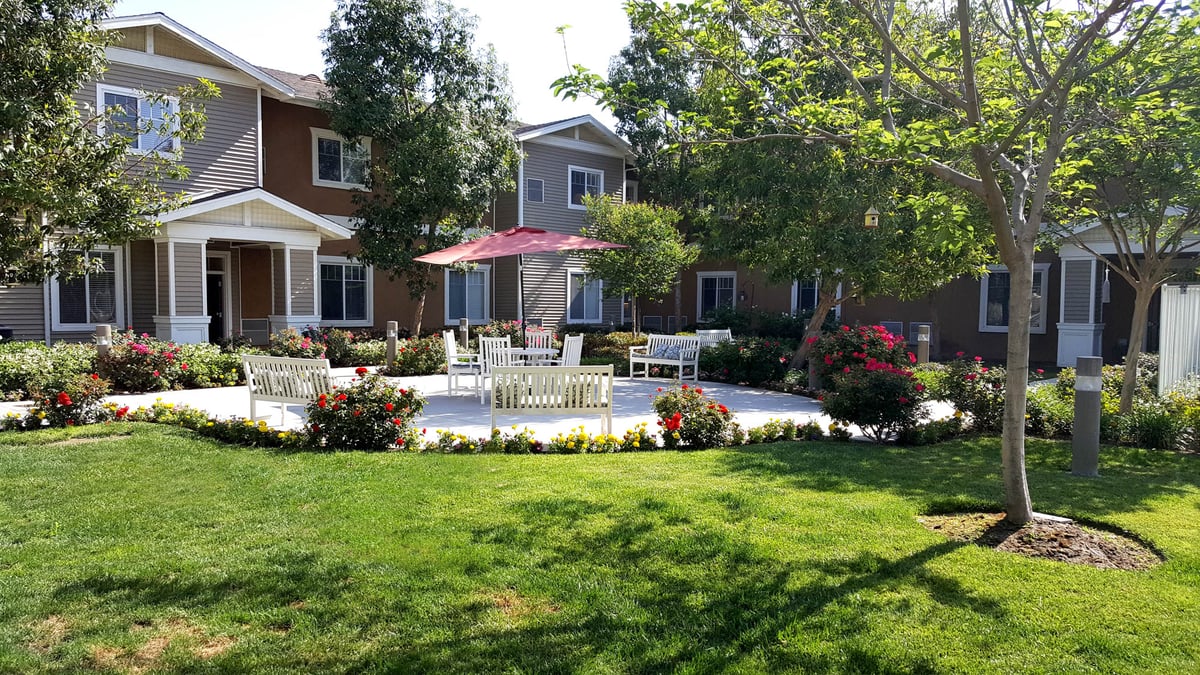
Financial planning is only one part of choosing the right memory care community. Discovery Commons Raincross offers a warm, comfortable setting where families receive guidance throughout the transition while loved ones benefit from compassionate, personalized support.
Discovery Commons Raincross features the nationally recognized SHINE® Memory Care program, an Alzheimer's Association-recognized approach that personalizes each resident's experience through meaningful engagement, individualized routines, family collaboration, specialized Associate training, thoughtfully designed surroundings, and dining experiences that support dignity and choice. Residents also enjoy restaurant-style Elevate® Dining, engaging daily programs, secure outdoor spaces, and welcoming common areas that encourage comfort and connection.
Whether you're exploring memory care payment alternatives or looking for guidance on the next step, the Associates at Discovery Commons Raincross are here to help you understand your options and create a plan that fits your family's needs.
Schedule a personalized tour to learn how Discovery Commons Raincross can help your loved one receive personalized SHINE® Memory Care while supporting your family's financial planning goals.