Caregivers providing memory care in Riverside receive training focused on dementia education, communication techniques, safety protocols, and compassionate daily support tailored to cognitive change. In Riverside, CA, this preparation equips caregivers to respond calmly to confusion, reduce distress, and support residents through routines that protect dignity and comfort.
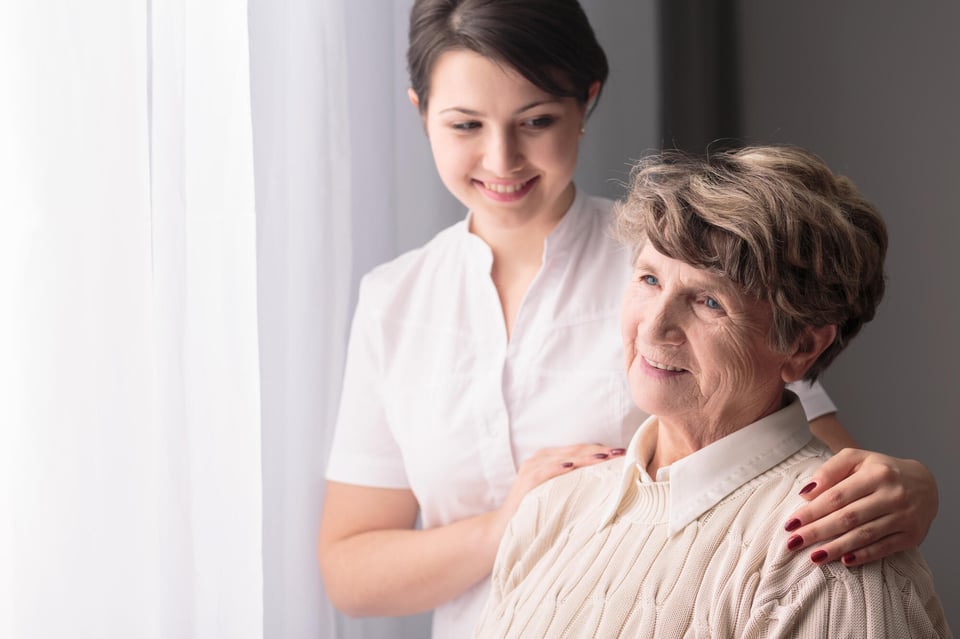
On a quiet Riverside morning, a caregiver notices a resident hesitating outside their room, uncertain about the day ahead. Training takes over before questions even surface. The caregiver approaches with a familiar tone, uses clear and reassuring language, and gently redirects the moment into a comforting routine.
That interaction looks simple on the surface, though it reflects hours of instruction in dementia behaviors, emotional cues, and person-centered care. For families exploring memory care in Riverside, moments like this reveal why caregiver training matters so much. It shapes daily life, builds trust, and turns knowledge into human connections that residents can feel every single day.
Dementia Caregiver Support: Communication Techniques Designed for Memory Support
Qualified memory care staff receive focused training on how to communicate in ways that reduce confusion and build trust. This Alzheimer's training emphasizes speaking slowly and clearly, using simple language, and offering one idea or instruction at a time. Caregivers learn to maintain a calm tone and relaxed body language, since residents often respond more to emotional cues than to the specific words being spoken.
Training also covers how to adapt communication when verbal skills change. Caregivers are taught to watch for:
- Facial expressions
- Gestures
- Shifts in behavior
- Changes in eye contact
- Variations in tone or vocal sounds
That signal needs or discomfort. Rather than correcting or challenging memory gaps, caregivers learn validation techniques that acknowledge emotions while gently guiding conversations forward. These methods help residents feel understood and respected, even when communication becomes more difficult.
Caregivers practice strategies for navigating moments of frustration or anxiety through reassurance and redirection. Techniques such as offering familiar choices and referencing established routines help residents feel grounded.
Safety in Memory Care
Caregivers in Riverside memory care communities receive thorough training focused on protecting resident safety while supporting independence wherever possible. Education covers:
- Fall prevention
- Safe mobility assistance
- Awareness of wandering risks
- Environmental safety checks
- Hazard reduction
Caregivers are trained to maintain secure environments, follow clear safety protocols, and respond calmly during unexpected situations to reduce stress for residents.
Wellness Monitoring
Wellness monitoring is another core part of caregiver preparation. Training teaches caregivers how to observe subtle changes in:
- Appetite
- Sleep patterns
- Mood
- Physical movement
That may signal health concerns. Caregivers learn proper documentation and communication procedures so changes are shared promptly with care teams. This consistent monitoring helps support early intervention and ongoing wellness.
Daily Care Skills
Daily care skills are taught with a strong emphasis on dignity and comfort. Caregivers receive instruction on personal care tasks such as bathing, dressing, grooming, and toileting in ways that respect privacy and personal preferences.
Compassion and Patience
Compassion and patience are central to caregiver training in Riverside memory care communities. Caregivers are taught to understand memory loss from the resident's perspective, recognizing that confusion or agitation often stems from uncertainty rather than intent. Training encourages caregivers to slow interactions, offer reassurance, and remain present even when communication or tasks take longer than expected.
Caregiver education also focuses on emotional awareness. Caregivers learn how to recognize signs of distress that may appear as withdrawal, repetition, or resistance to care. Instead of reacting with urgency, training reinforces calm responses that prioritize comfort and trust. This approach helps residents feel safe during moments when emotions feel overwhelming or difficult to express.
Patience is reinforced through real-world scenarios and ongoing coaching. Caregivers practice responding consistently, maintaining routines, and offering gentle encouragement without pressure.
Frequently Asked Questions
What Is the Difference Between Memory Care and Dementia Care?
Memory care and dementia care are closely related, but they are not exactly the same. Dementia care is a broad term that refers to any type of support provided to someone living with dementia. That care can be at home, in assisted living, through home health services, or in specialized communities, depending on the individual's needs and stage of the condition.
Memory care is a specific type of dementia care offered in a dedicated, structured environment. A Riverside memory care community is designed exclusively for individuals with Alzheimer's disease and other forms of dementia, with secured layouts, predictable daily routines, and staff who receive specialized training focused on memory-related conditions.
When Should Someone Be Put in Memory Care?
Someone may be ready for memory care when cognitive changes begin to cause problems with daily life, safety, or overall well-being in ways that can no longer be managed consistently at home. This often happens when memory loss leads to:
- Frequent confusion
- Wandering risk
- Difficulty with personal care
- Increased anxiety
That's especially true if it requires regular supervision and structured support.
Memory care is also considered when caregiving demands become overwhelming for family members or when routines, medication management, and behavioral changes need specialized attention throughout the day.
At What Age Does Memory Start Deteriorating?
Memory changes can begin gradually in adulthood, often as part of normal aging rather than a medical condition. Many people notice mild shifts in recall or processing speed in their 40s or 50s, such as taking longer to remember names or misplacing items more often, while still functioning independently.
More significant memory deterioration is not normal and can occur at varying ages depending on health, genetics, and lifestyle factors. Conditions such as Alzheimer's disease or other forms of dementia most commonly appear later in life, but the age at which memory concerns become noticeable varies widely from person to person.
Memory Care in Riverside: Now You Know
There's a lot of training that goes into memory care at Riverside. With this guide, you can ensure your loved one is getting the help they need.
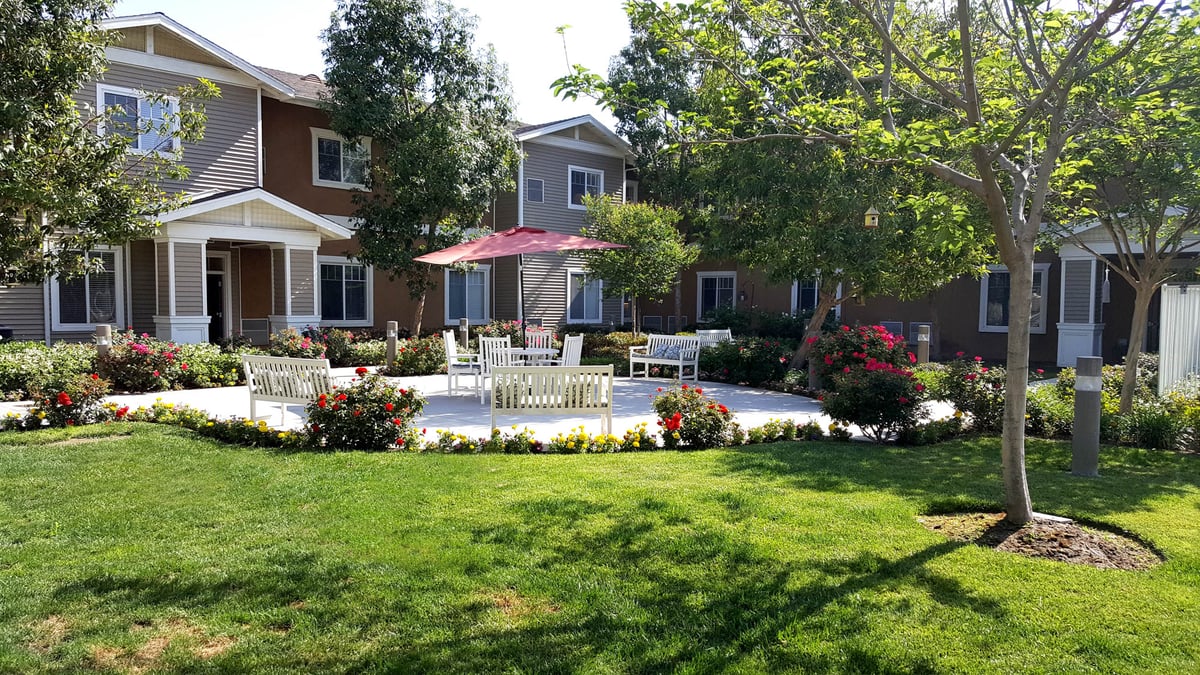
If you are exploring memory care in Riverside and want confidence in the training, compassion, and consistency behind the care, Discovery Commons Raincross offers a thoughtful next step. Families are invited to see how SHINE® Memory Care training translates into calm routines, meaningful engagement, and attentive daily support tailored to each resident. They can also see our beautiful outdoor spaces.
Schedule a tour to see how trained care makes a real difference every day.