
Summary
Understanding senior falls and assisted living transition helps families navigate this significant life change with confidence. A fall often signals the need for more support than home care alone can provide, making the move to Assisted Living a practical solution for recovery and safety.
- Hospital discharge planning typically begins before leaving the hospital, with physicians and therapists evaluating whether returning home is safe or if additional support is needed
- Falls often reveal underlying changes in strength, balance, medication management, or mobility that may have developed gradually over time
- Assisted Living communities provide personalized recovery support through 24/7 Associates, accessible bathrooms, emergency call systems, well-lit spaces, and nutritious meals
- Recovery involves rebuilding both physical strength and emotional confidence through social connection, wellness monitoring, and assistance with daily tasks
- Families can choose between a direct move from the hospital or a short-term respite stay to evaluate long-term needs before committing to a permanent transition
When a senior experiences a fall, families often face important decisions about care and safety. One day, your loved one is managing well at home. The next, a hospital visit raises difficult questions about safety and what comes next. For many families, this is the moment they realize a parent fell and needs more care than they can safely receive at home. While the decision can feel overwhelming, understanding the transition from home to assisted living can help families move forward with greater confidence.
Understanding the Hospital Discharge Process
When a parent fell and needs more care, discharge planning often begins before they leave the hospital. Physicians, therapists, and social workers evaluate mobility, recovery needs, and whether returning home is a safe option. During these conversations, many families realize that temporary help at home may not be enough.
A hospital discharge to assisted living can happen quickly, particularly if ongoing support is recommended. Before discharge, families typically receive guidance about medications, mobility limitations, rehabilitation needs, and follow-up appointments. These recommendations become an important starting point when choosing a community that can support recovery while reducing the risk of another fall.
When a Fall Becomes a Turning Point
A senior fall triggers care decision because it often reveals challenges that have been developing over time. Changes in strength, balance, vision, or medication management may have been subtle until an accident made them impossible to ignore.
Families frequently recognize warning signs such as:
- Unopened mail or household tasks piling up
- Missed medications or confusion about schedules
- Spoiled food or skipped meals
- Bruises that suggest previous unreported falls
Recovering at home can be difficult without consistent support. Everyday tasks that once seemed routine may suddenly become exhausting or unsafe, making the transition to assisted living a practical solution for many families.
Why Assisted Living Supports Recovery
Fall recovery in assisted living goes beyond helping someone heal from an injury. It provides daily support that allows older adults to regain confidence while reducing the likelihood of another fall.
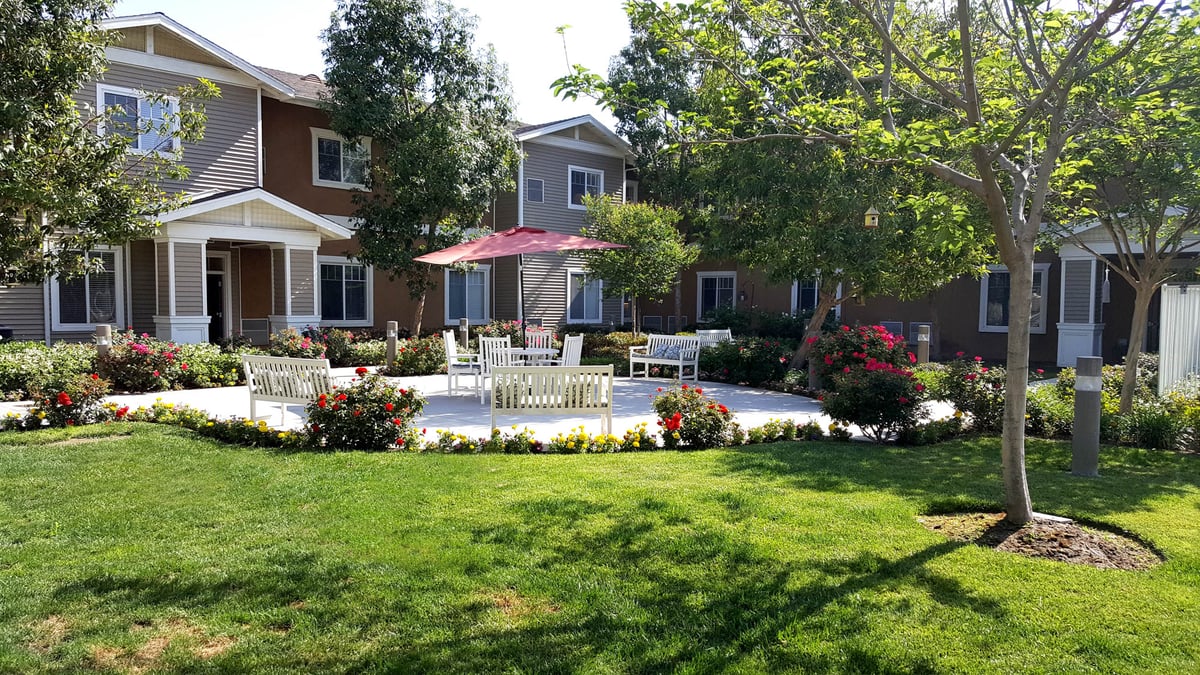
At Discovery Commons Raincross, Associates provide personalized support in a welcoming environment while residents enjoy comfortable apartment homes, chef-prepared meals through Elevate® Dining, engaging daily programs, beautifully maintained outdoor spaces, and scheduled transportation for appointments and outings. These services help make recovery less stressful while allowing residents to focus on regaining strength.
Many communities also provide important safety features, including:
- Emergency call systems throughout the community
- Grab bars and accessible bathrooms
- Well-lit hallways and thoughtfully designed common spaces
- Associates available around the clock for assistance
These features offer reassurance for both residents and their families while creating a safer environment for healing.
Recovery Includes More Than Physical Healing
Healing after a fall involves much more than recovering from an injury. Many older adults experience anxiety about walking independently or fear another fall, which can lead them to withdraw from daily life. A supportive community helps rebuild both physical strength and confidence.
Recovery often includes assistance with mobility, medication management, wellness monitoring, nutritious meals, and coordination with rehabilitation providers. Just as important are the opportunities to stay socially connected. Enjoying meals with neighbors, participating in programs, and having regular interaction with Associates can help reduce the loneliness that sometimes follows hospitalization.
For many families, the senior falls and assisted living transition ultimately improves overall quality of life rather than simply addressing safety concerns.
Choosing Between a Direct Move and a Short-Term Stay
Timing is another important consideration when moving a parent after hospitalization. Some families choose a permanent move directly from the hospital, while others begin with a short-term respite stay before making a long-term decision.
Both approaches offer advantages. A respite stay provides time to recover in a supportive environment while everyone evaluates future needs. Other families prefer a direct transition because it reduces the chance of another fall during recovery at home and provides immediate access to personalized support.
There is no universal right answer. The best choice depends on your loved one's health, recovery progress, and personal preferences.
Talking About the Transition
Conversations about moving a parent after hospitalization are rarely easy. Many older adults worry that accepting support means giving up control, when in reality it often allows them to enjoy more of what matters most.
Rather than focusing on limitations, emphasize the benefits of having help with physically demanding tasks. Housekeeping, dining, transportation, and daily assistance can free your loved one to spend more time enjoying hobbies, social events, and meaningful connections.
If possible, visit communities together. Experiencing Discovery Commons Raincross firsthand, meeting Associates, and seeing residents enjoying meals and programs often helps replace uncertainty with reassurance.
Looking Ahead After a Fall
A fall may be unexpected, but it can also become the beginning of a safer and more fulfilling chapter. With personalized support, comfortable surroundings, and opportunities to stay engaged, many older adults regain confidence and enjoy a higher quality of life than they experienced while living alone.
Although the transition can feel emotional, hospital discharge to assisted living often provides the support families have been searching for. For many, it brings peace of mind knowing their loved one has help nearby, meaningful social connections, and a community designed to support both recovery and everyday well-being.
Schedule a tour of Discovery Commons Raincross to learn how our Assisted Living community can support your loved one after a fall with personalized services, engaging programs, and compassionate Associates every step of the way.